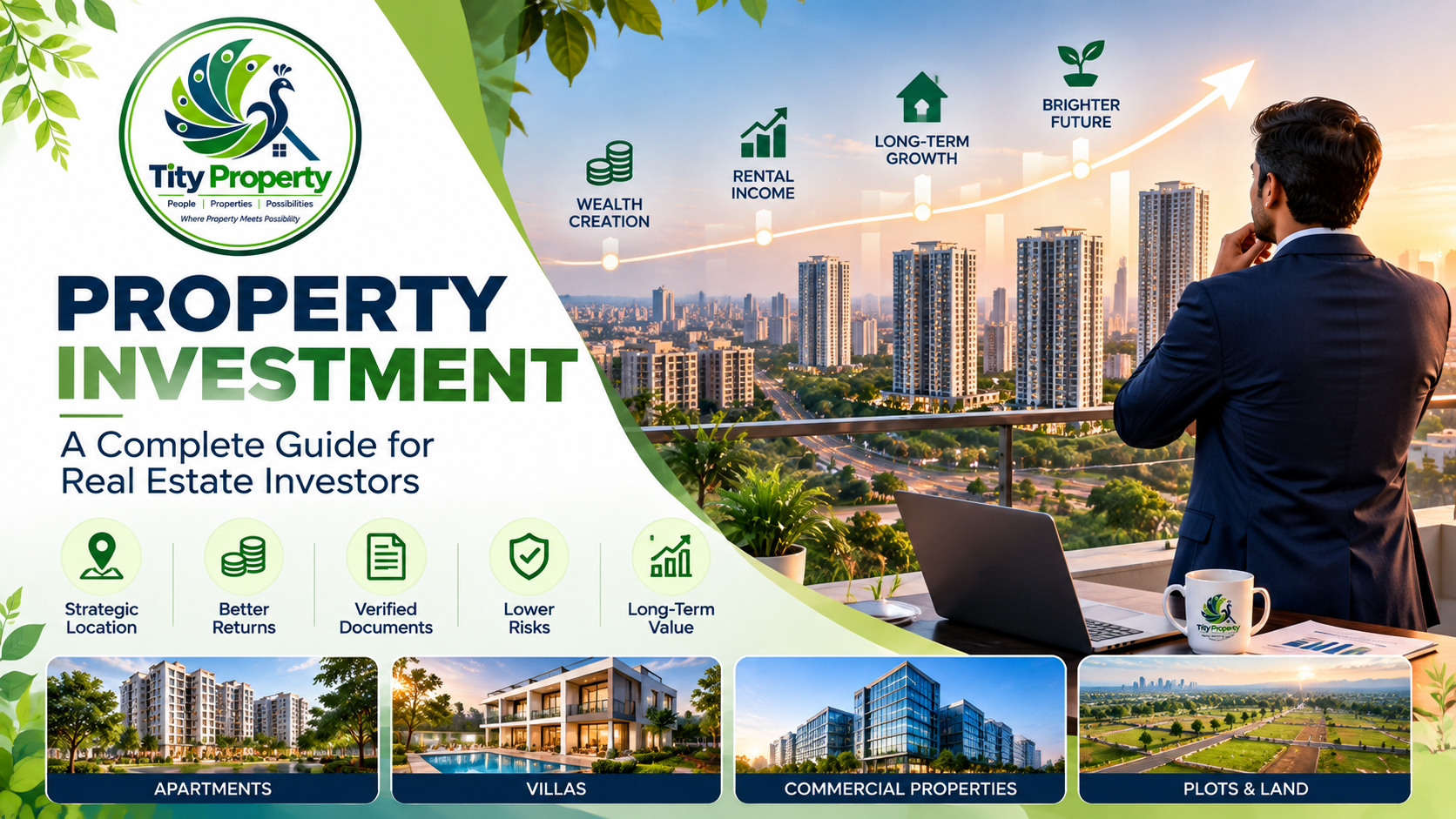
Residential Real Estate: Finding the Right Home for Your Lifestyle
A Thoughtful Approach to Finding Your Ideal Home
A home is more than a physical space. It represents comfort, security, personal aspirations, and the lifestyle you want to build for the future.
Whether you are searching for your first home, upgrading to a larger residence, or exploring residential property opportunities, choosing the right property requires a balance of practical considerations and long-term planning.
The right decision involves more than location and price. Space, accessibility, construction quality, ownership documentation, and future requirements all contribute to a property's overall suitability.
At Tity Property, we believe that every property search should begin with a clear understanding of the buyer's needs, preferences, and objectives.
Understanding the Residential Property Market
Residential real estate includes properties designed primarily for living purposes. From compact urban apartments to spacious independent houses and premium villas, the market offers a variety of options for different lifestyles and budgets.
Understanding these options helps buyers identify properties that align with their expectations.
Apartments and Flats
Apartments and flats are common choices for individuals and families seeking homes in residential buildings or communities. Depending on the project, they may offer parking, security, lifts, recreational facilities, and shared maintenance services.
Independent Houses
Independent houses provide a standalone living environment and may offer greater privacy and flexibility. Buyers should carefully evaluate the building's condition, plot boundaries, ownership records, and maintenance requirements.
Villas
Villas generally offer spacious layouts, private outdoor areas, and a greater emphasis on privacy. Some are located within gated communities with shared amenities and community facilities.
Residential Plots
Residential plots may suit buyers who wish to build a home according to their preferences. Before purchasing land, it is essential to verify ownership, land-use classification, applicable layout approvals, and permissions for construction.
Each property type has its own considerations. The most suitable option depends on the buyer's budget, lifestyle, preferred location, and intended use.
Choosing a Property That Fits Your Lifestyle
A successful property search begins with identifying what matters most to you.
Consider your current living requirements, family needs, work location, preferred surroundings, and future plans.
For some buyers, proximity to workplaces and educational institutions is a priority. Others may prefer quieter residential neighbourhoods, larger living spaces, or communities with recreational facilities.
Before shortlisting properties, evaluate:
- Location and accessibility: Connectivity to workplaces, schools, hospitals, public transport, and essential services.
- Space and layout: Room configuration, usable area, ventilation, and natural lighting.
- Construction quality: Visible structural condition, fittings, water supply, drainage, and overall maintenance.
- Community facilities: Parking, security, shared amenities, and applicable maintenance charges.
- Future suitability: Whether the property can continue to meet your needs over time.
A clear set of priorities makes it easier to compare properties objectively instead of relying only on appearance or first impressions.
Planning Your Property Budget
Financial preparation is an important part of purchasing residential real estate.
In addition to the purchase price, buyers should account for applicable registration charges, taxes, legal expenses, loan processing fees, maintenance deposits, furnishing costs, and potential repairs.
If you are considering a home loan, evaluate your repayment capacity and existing financial commitments before deciding on a purchase budget.
A realistic financial plan helps you compare properties within your means and reduces the risk of unexpected expenses during the transaction.
Location: An Important Factor in Property Selection
Location influences everyday convenience and can affect a property's future market demand.
When evaluating a residential location, consider its access to major roads, public transport, healthcare facilities, educational institutions, shopping areas, and employment centres.
It is also useful to understand local infrastructure, water availability, drainage, traffic conditions, and ongoing development in the surrounding area.
However, a developing location does not automatically guarantee property appreciation. Buyers should evaluate the property's price, local demand, infrastructure, and other relevant factors before making an investment decision.
Property Documentation and Due Diligence
A property's appearance and advertised features are only part of the buying decision. Verifying its legal status and relevant documentation is equally important.
Depending on the property and transaction, buyers may need to review:
- Ownership and title documents
- Encumbrance records, where applicable
- Approved building plans or layout permissions
- Applicable occupancy or completion certificates
- Property tax records
- Sale agreements and transaction documents
- Relevant RERA registration details, where applicable
The documentation requirements vary according to the property type and location.
Before signing an agreement or making substantial payments, have the relevant records reviewed by a qualified property lawyer. Confirm applicable approvals and permissions rather than relying solely on verbal representations.
Making a More Informed Property Decision
Finding the right home is a process of comparing available options, understanding the associated costs, and verifying important details.
Before finalising a property, arrange an inspection where possible, review the agreement carefully, understand maintenance obligations, and confirm that the property meets your requirements.
Buyers should also consider whether the property is ready to occupy or under construction. Each option involves different timelines, documentation requirements, and potential risks.
Taking time to evaluate these factors can help you make a decision based on reliable information rather than pressure or assumptions.
Explore Residential Property Opportunities with Tity Property
Every property search begins with a requirement: a preferred location, a specific budget, a particular type of home, or a vision for the future.
Tity Property helps property seekers explore residential real-estate opportunities according to their stated preferences and requirements.
Whether you are considering an apartment, flat, independent house, villa, or residential plot, clearly defining your priorities can make the search more focused.
To begin, identify your preferred location, approximate budget, required space, property type, and expected purchase timeline.
These details provide a useful starting point for exploring suitable opportunities and comparing available properties.
Find a Home That Matches Your Priorities
The right residential property is one that aligns with your needs, financial plans, preferred location, and long-term expectations.
By approaching your search with clear priorities, careful evaluation, and proper due diligence, you can make a more informed decision about your future home.
Tity Property — People | Properties | Possibilities.
Where Property Meets Possibility.